




When there’s a breakout you didn’t ask for, and your skin feels oily, maybe a little sore, maybe tight at the same time…. putting moisturizer on feels like the worst possible idea. And that reaction makes sense. When acne shows up, it feels logical to dry it out. Less oil, fewer pimples. Clean slate. Control.
Except acne doesn’t really work like that.
In fact, falling into a cycle of overdoing treatments and skipping moisturizer often means ending up with skin that feels tight, flaky, and somehow angrier than before.
Why? Because the skin doesn’t clear when it’s punished. It clears when it feels supported. So is moisturizer good for acne? Yes (often more than people expect). And probably most importantly, it clears when you use the right moisturizer: one that targets acne all while supporting your skin microbiome and barrier. That’s why at TULA, all of our acne formulas are packed with prebiotics and superfoods.
Why Moisturizing Is Important for Acne-Prone Skin
When acne shows up, we tend to go into defense mode. Strong cleansers. Strong treatments. Fewer products. Less moisture. The goal becomes getting rid of oil at all costs.
But acne treatments don’t just target breakouts. They stress the skin.
Salicylic acid, benzoyl peroxide, retinoids… they’re effective, but they can strip moisture. And when skin loses too much moisture, it doesn’t quietly accept it. It compensates. It produces more oil. It becomes inflamed, and it reacts, again.
That’s when breakouts linger, or come back faster, or suddenly show up in places you don’t expect.
So you shouldn’t see moisturizer as potentially breakout-worsening. Rather, it’s something stabilizing. It helps your skin calm down enough to stop overcorrecting, and it protects the skin barrier (the part of your skin that decides how much oil to make, how quickly to heal, and how irritated everything feels day to day).
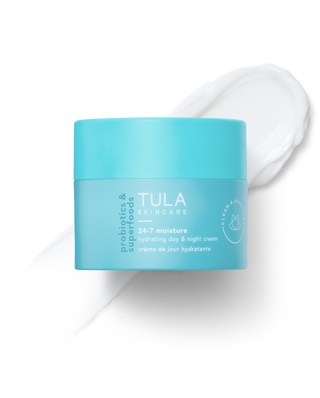
At TULA, our acne moisturizers are non-comedogenic, lightweight, and formulated with probiotics and superfoods to give your skin the best chance of clearing acne and feeling itself again. They support your skin’s microbiome and ensure that its barrier is supported, meaning they work with your skin instead of constantly fighting it.
What Ingredients to Look for in Acne-Friendly Moisturizers
If moisturizer has ever made your acne worse, that doesn’t mean moisturizing was the problem. It usually means the formula wasn’t right for you.
Acne-prone skin needs hydration that feels almost invisible. Ingredients like niacinamide help calm redness and regulate oil. Salicylic acid can keep pores clear without drying everything out. Azelaic acid helps soften the look of marks left behind once a breakout finally heals. Probiotics help support the skin’s natural balance (something that gets thrown off easily when acne is involved).
What tends to cause trouble are heavy oils, thick textures, or formulas that just sit on the skin, never really sinking in.
That’s why TULA’s approach works for so many people. Breakout Star in particular is super helpful because it treats acne and moisturizes at the same time: fewer layers, fewer chances to irritate already-stressed skin.
What the Research Says About Moisturizer and Acne
Research consistently shows that hydrated skin tolerates acne treatments better, plus it ensures the skin maintains better wound healing and cell turnover. There’s less irritation. Less redness. Less rebound oil production. Instead, the skin heals better because it isn’t constantly on edge struggling without supportive ingredients.
And non-comedogenic moisturizers do not cause acne (despite how persistent that myth still is).
Can Moisturizer Cause Acne?
Now, can moisturizer cause breakouts? Yes, but usually not for the reason people think.
If you’re moisturizing and feel like your acne is getting worse, it’s likely because you have a comedogenic formula, you’re over-layering, or you’re sensitive to some of the ingredients (patch testing is important whenever you try a new product). So, try new products gradually, and listen to your skin.
Acne-prone skin doesn’t love surprises. It prefers slow changes and consistency.
How to Use Moisturizer for Acne-Prone Skin
Using moisturizer with acne doesn’t need to be complicated or perfect.
- Cleanse with Keep it Clear.
- Apply your treatment (optional).
- Moisturize with Breakout Star.
- Morning and night.
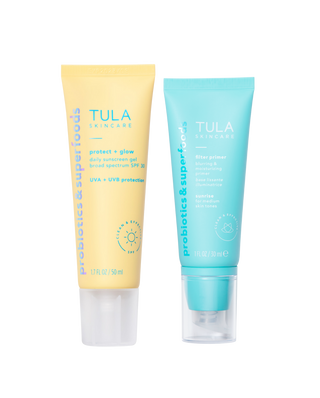
If you’re using a moisturizer that also treats acne (like Breakout Star), that step can do double duty. In the morning, add sunscreen. At night, make it your routine’s main product.
You can also add a weekly exfoliating mask like in a Detox in a Jar to help clear spots faster. And for post-acne marks, a Dark Spot Serum can do wonders.
A few things that tend to note when you’re combining acne-fighting actives:
Niacinamide works well with retinoids.
Hyaluronic acid can add hydration without heaviness, so it’s great to use under acne treatments.
Heavy oils and occlusive layers over inflamed acne usually make things worse, not better.
Does Moisturizer Help With Acne Scars and Redness?
Moisturizer also matters after the breakouts are gone.
Hydrated skin heals more evenly, plus redness and post acne-marks fade faster. It won’t erase acne scars overnight, but when your skin barrier is supported, your skin has the space it needs to repair itself properly.
Tips for Hydrating Acne-Prone Skin Without Causing Breakouts
If you want to hydrate acne-prone skin without triggering breakouts, the basics really do carry the most weight:
Use lightweight, non-comedogenic formulas.
One new product at a time.
Consistency over perfection.
Patch test, even if you think it’s tedious.
No heavy occlusive layers over active acne.
Nothing extreme. Nothing too harsh.
FAQs
Should you put moisturizer on acne?
Yes, but choose a lightweight, non-comedogenic moisturizer. This will help prevent dryness and irritation, plus it will ensure your skin barrier gets the support it needs.
Can moisturizer help acne?
Yes, as proper hydration helps balance oil production and reduces inflammation. This can make acne treatments more effective and less likely to damage your skin.
Does moisturizer cause acne?
Non-comedogenic moisturizers do not cause acne. If you experience more breakouts when moisturizing, it’s most likely a result from over-layering or using formulas containing clogging ingredients.
Should you moisturize at night if you have acne?
Totally. Nighttime hydration supports skin barrier repair, and it can help enhance your active treatments’ efficacy.
Does hydrating your skin help acne?
Yes, because hydrated skin is less likely to overproduce oil. This in turn reduces the risk of developing new breakouts.
Smooth, Clear, and Hydrated
So if you’re still wondering “should I put moisturizer on acne?”, the answer is simply: yes. That’s because skin clears better when it’s cared for, not stripped down.
Clear skin doesn’t come from trying to control your face. It comes from learning how to support it, moisture included. And once you stop fighting your skin, it often stops fighting you back.
So look for those barrier- and microbiome-focused formulas and give your skin the support it truly needs. At TULA, we formulate exactly that way. Explore our dermatologist-tested, acne-friendly moisturizers and start your clear, hydrated skin journey today.


