




Your under eyes look dull when the surface is dehydrated, the skin is naturally thin, and uneven texture scatters light instead of bouncing it back evenly. It's why dull under eyes can look flat and washed out even in a week when you've slept perfectly well. This part of your face shows tiredness first, because the skin here is thinner than anywhere else on your body and has fewer oil glands, so it loses moisture faster than the rest of your complexion.
Worth knowing: dullness isn't the same concern as dark circles or puffiness, and which one you're actually dealing with decides how much a routine can realistically change. Below, we'll walk through the causes, the ingredients that genuinely help, how to brighten under eyes morning and night, and what to expect on timing, honestly.
What Under-Eye Dullness Actually Is (and How It Differs From Dark Circles)
“Dark circles” has become the catch-all for pretty much anything happening under your eyes: the shadows, the darkness, the puffiness, the general “I don't look like myself” flatness. Understandable. It's also exactly why so many of us feel let down by an eye cream that was never built for our actual concern in the first place. Separating these out is honestly the most useful thing you can do here, so let's start there.
Dermatology research splits under-eye darkness into recognized types. Pigmented is extra melanin, showing up as a brown tone. Vascular is blood vessels sitting close to the surface, reading as blue, pink or purple. Structural is a shadow cast by the shape of your face itself, often around the tear trough. Plenty of people have two or three going on at once, and the type matters because each one responds to something different.
Dullness sits slightly apart from all three, and it isn't really about darkness at all. It describes a surface that looks flat, dry or lackluster, and it happens to be the concern everyday skincare has the most influence over. Good news, if that's what you're working with.
There's a quick check you can do at home to work out what you're dealing with. Gently stretch the skin just below your eye and watch what happens. True pigmentation holds its appearance when the skin is stretched. Shadowing improves or disappears entirely.
This isn't a diagnosis, and you don't need to land on a single answer today. Think of it as a way to set realistic expectations before you start buying things, because we'd always rather you get the right formula the first time than the fifth.
Dullness, Darkness and Puffiness Are Three Different Concerns
Here's a quick way to hold them apart. Dullness is a surface and light problem: skin that's dehydrated or slightly rough scatters light rather than bouncing it back. Darkness is pigment or visible blood vessels sitting under thin skin, the classic dark circles under eyes look. Puffiness is fluid or fat creating a small ridge, and the shadow it casts reads as darkness even when there's no extra pigment there at all.
They turn up together constantly, which is exactly why one ingredient rarely fixes everything.
Why the Under-Eye Area Shows Tiredness Before Anywhere Else
Why does this one patch of skin give you away before anywhere else does?
The skin around your eyes is some of the thinnest on your entire body, and it has fewer oil glands than the rest of your face. Less oil means less of a natural seal, so this area loses water faster and shows change sooner than everywhere else.
Thin skin also means what sits underneath is closer to the surface: blood vessels, muscle, the orbital bone. That's why this small patch of skin can look noticeably different within hours, whether that's after a short night, a salty dinner, a long flight or a day spent in a dry, air-conditioned office.
Then there's movement. You blink constantly, and every expression you make travels straight through this skin. Over time, that contributes to the small texture changes that scatter light instead of reflecting it evenly.
None of this is a flaw. It's simply why the under-eye area is the first place your face tells on you, and why it needs a slightly different approach from the rest of your routine.
The Everyday Habits That Make Under Eyes Look Duller
Anatomy and genetics are fixed. This part isn't, which makes it the more useful half of the picture, and the half you actually have control over.
Dehydration is the obvious one, and it shows here first. When you're running low on water, the under-eye area can look sunken and flat, and any existing shadows deepen. Keeping up your under eye hydration, both from the inside and with the right formula, is what really helps here.
Sleep, stress, alcohol and smoking all get blamed too, and we'd rather be straight with you about the evidence there. Dermatology reviews list them as possible contributors while noting the link isn't clinically substantiated. Treat them as things that probably help rather than fix everything.
Rubbing deserves its own line, because the mechanism here is much clearer. Repeated friction around the eyes, whether from allergies, tired eyes or taking off eye makeup, can worsen both darkness and texture over time.
Then there's how you clean the area in the first place. Hot water, a cleanser that leaves your skin feeling tight, cotton pads dragged back and forth: all of it strips a patch of skin that doesn't have much of a lipid buffer to begin with. Switching to a gentler cleanser, like our Cult Classic Purifying Face Cleanser (yes, the one that sells every 30 seconds), which purifies without stripping or over-drying, often makes a visible difference faster than adding another product does.
Ingredients That Help Brighten the Look of the Under-Eye Area
For dullness specifically, hyaluronic acid does most of the heavy lifting. It's a humectant, meaning it draws water into the surface layers, which plumps the skin slightly so it reflects light more evenly instead of scattering it. Nothing glamorous, we know. But also the most reliable route to real under eye brightening. You'll find it front and center in Glow + Get It, which pairs hyaluronic acid with caffeine for an instant firming and tightening effect around the eyes, plus an illuminating finish that brightens the second it hits your skin.
If your under eyes lean more puffy and tired than flat and dry, 'Spresso Energizing Eye Balm in Pink layers that same caffeine and hyaluronic acid base with a rosy glow finish, so you get a depuffing, energizing swipe plus an extra brightening touch.
For something that brings some serious hydration, 24-7 Power Swipe is the one. It goes further with eye peptides and collagen to help reduce the look of fine lines and wrinkles, hyaluronic acid and squalane for deeper hydration, caffeine, apple and watermelon to firm and de-puff, plus cocoa seed extract and blueberry for antioxidant protection against blue light and pollution.
One thing to avoid: don't drag your strongest face actives to the eye area on a whim. High-strength acids and retinoids can sting or irritate skin this thin. Eye treatments formulated for the under-eye area are made and tested for use there, and that really matters here.
Why Caffeine Is the Go-To for Tired-Looking Eyes
Caffeine turns up in almost every eye product for one simple reason: it works fast. It produces a visible tightening and refreshed look within minutes, which suits an area you want to see change in before you've even left the house. If tired looking eyes are your main complaint most mornings, caffeine is the quickest fix you'll find, hands down.
It's worth understanding what that effect actually is, though. It's temporary and cosmetic. It isn't correcting the underlying cause, which is precisely why it pairs so well with hydration instead of replacing it. A cooling metal applicator adds to the impression too, which is part of why balms and rollerballs are a morning favorite around here.
A Simple Morning and Evening Routine for Brighter-Looking Under Eyes
The best routine here is the one short enough that you'll actually keep doing it. Consistency does more than product count, truly. Skin Wellness isn't about doing more. It's about doing the right things, daily.
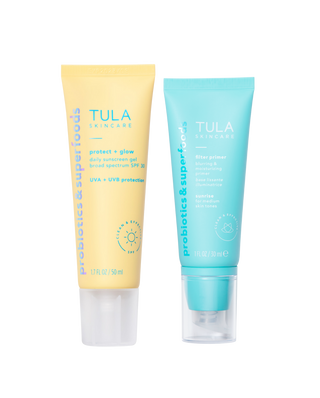
Morning. Cleanse gently. Apply a hydrating layer while your skin is still slightly damp, since humectants work better with water available to hold onto. Add your eye product, ideally something with caffeine or and humectants. Then broad-spectrum sunscreen across your whole face, coming right up to the orbital bone. Our Protect + Glow Daily Sunscreen is a good place to start, since it's a non-comedogenic formula that won't leave a white cast.
That last step is the one most people skip around the eyes, and it's the one with the most influence on how this area looks in ten years. Apply sunscreen before going outdoors, and reapply every two hours when you're out and about.
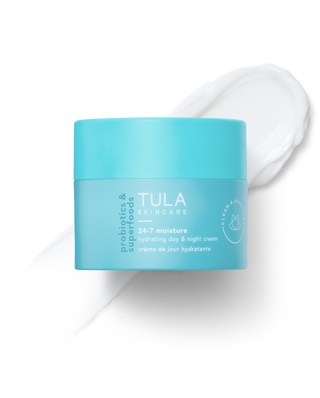
Evening. Remove eye makeup thoroughly but without dragging. Let a remover sit for a few seconds and do the work instead of scrubbing at it. Follow with a richer or more occlusive eye product to slow overnight water loss, or layer your usual 24-7 Moisture in underneath.
Technique matters. Use a small amount, patted rather than rubbed, with your ring finger, since it naturally applies the least pressure. Stay along the orbital bone rather than going right up to the lash line, and let the product migrate slightly on its own.
How Long Before You See a Difference
Two timescales matter here, and they're very different.
The immediate one: hydration and cooling show up within minutes. It's just what happens when you add water to the surface of thin skin and drop the temperature slightly.
The slower one: texture and tone shift with consistent use. In testing on Glow + Get It, 89% agreed skin looked brighter, refreshed & more youthful after just one week of use (self-assessment on 29 subjects).
One practical tip: judge results in the same lighting at the same time of day, because this area changes between morning and evening. Comparing a 7am reflection to a 10pm one won't tell you anything useful about how your routine is working.
Frequently Asked Questions
Why do my under eyes look dark?
Usually it comes down to one, or more, of three things: pigment, visible blood vessels sitting close to the surface, or a shadow cast by your natural bone structure. Genetics, thinning skin as you age, allergies, rubbing and dehydration can all make any of these more noticeable. Try the stretch test above to get a sense of which one you're dealing with, since that decides what will actually help.
Can you use your regular face serum under your eyes?
Sometimes, but not always. Eye products are formulated and tested for use close to the eye, whereas stronger face actives like high-strength acids and retinoids can sting or irritate skin this thin. A simple hydrating serum is usually the safest crossover. Patch test first either way.
Do cold compresses actually help dull under eyes?
Yes, briefly, and for a specific reason. Cold temporarily narrows blood vessels and reduces fluid, so the area looks tighter and less shadowed. The effect fades within hours and does nothing for pigment or texture, so treat it as a supplement to your routine, not a substitute for one.
Does concealer make dull under eyes look worse?
It can, depending on the formula and your prep. Heavy or drying concealers settle into fine lines and emphasize texture, which reads as duller rather than brighter. Hydrate the area first, then use a thin, buildable layer. More product almost always looks worse than less.
Is dull or dark under-eye skin ever a sign of a medical issue?
Usually not. Under-eye darkness is typically a cosmetic concern with no medical significance. That said, persistent changes alongside swelling, or a sudden change affecting one eye only, are worth mentioning to a healthcare professional.
How to get rid of dark circles under eyes: what actually works
There isn't one single fix, since it depends on what's causing them. For the vascular and puffiness side, a cold, caffeine-based formula gives the quickest visible change. For pigment, look to niacinamide or vitamin C and give it several weeks. For structural shadowing, topical skincare has real limits, and that's worth knowing upfront, before your fourth eye cream, not after.
Ready to Brighten Up?
If you did the stretch test earlier and landed on dullness, your answer is hydration and light reflection rather than pigment correction. That's good news. It's the most responsive of the three concerns and the one that shows change fastest.
Our eye care range is formulated with prebiotics, caffeine & hyaluronic acid, with cooling balms for mornings and richer formulas for overnight. Start with one step you'll actually keep, use it daily for a few weeks, and judge it in consistent light.


