




If your favorite products have suddenly started to sting, that’s your skin asking for less. Really, a skin barrier repair routine is refreshingly simple: cleanse gently, moisturize well, protect with SPF, and let your acids and retinoids sit out for a while.
The secret isn’t addition, it’s subtraction, because a stressed barrier is almost always reacting to too much rather than too little. Your skin’s outer layer needs steady hydration and the right barrier repair ingredients working together, which is why a consistent routine beats any single “hero” ingredient.
Below, we’re breaking down the exact AM and PM steps, a realistic recovery timeline, and how to bring your actives back once your skin is ready.
What a Skin Barrier Repair Routine Actually Does
Let’s reframe: you’re not repairing your barrier, your skin is. It’s been doing that job all along. All a barrier repair routine really does is get out of the way and hand your skin the raw materials it needs.
It’s worth zooming in to understand what’s going on: your skin’s outer layer is a bit like a brick wall: skin cells are the bricks, and a mix of lipids, including ceramides, is the mortar holding it all together. Keep that balance in good shape and you’ve got a wall that helps keep moisture in and irritants out.
When that balance gets thrown off, two things tend to happen. Moisture escapes faster than it should (often called transepidermal water loss, or TEWL), and the irritating things that used to bounce right off start to get through. That’s the combination behind the tight, stingy feeling you get an hour after moisturizing, and why a product that was fine before suddenly isn’t.
So a barrier repair skincare routine really has two jobs, and neither one is complicated. Remove whatever’s causing the disruption. Then keep giving your skin what it needs while it does the rebuilding. That’s it.
Start by Subtracting: What to Pause First
The usual suspects are easy to name: exfoliating acids (AHAs like glycolic acid, BHAs like salicylic acid), retinoids of any strength, physical scrubs, cleansing brushes, and high-percentage vitamin C. Pause all of them at once, not just the strongest one first. Over-exfoliation adds up over time, and dropping a single product while four others keep going won’t tell you much or change much.
While you’re at it, a few things outside your skincare bag are worth adjusting too. Keep your showers to five to ten minutes in warm rather than hot water, patting skin dry instead of rubbing, and switching to fragrance-free formulas if fragrance is an irritator for you. If you want gentler formulas built for sensitive skin, this is your moment to make the swap.
One more thing: stinging isn’t your skin adjusting. Stinging is your skin telling you to stop. There’s no version of this where pushing through is the right call.
And none of this is permanent. The progress you made with it doesn’t disappear while you take a few weeks off. You’re pressing pause, not starting over.
The Core Barrier Repair Routine, Step by Step
Barrier repair routine steps include non-stripping cleanse that takes the day off without taking your lipids with it. An optional hydrating layer, if your skin wants a little extra water. A moisturizer that covers all three jobs at once: humectants like glycerin and hyaluronic acid to draw water in, emollients like squalane to soften and smooth, and occlusives to help lock that moisture in. Then broad-spectrum SPF every single morning, no exceptions.
Timing matters more than you’d think. Apply moisturizer while skin is still damp from cleansing, since that’s when there’s water around for it to hold onto.
If you’re building your routine around one product, our moisturizers formulated for dryness and barrier support are the place to start, since your moisturizer does most of the heavy lifting in any AM and PM barrier routine.
Your Morning Barrier Repair Routine
Cleanse, moisturize, SPF. In that order, every morning.
The cleanse is optional here. If your skin is very dry or feeling reactive, a rinse with lukewarm water is a completely legitimate morning cleanse, not a shortcut to feel guilty about. You slept on a clean pillowcase. There’s not that much to remove.
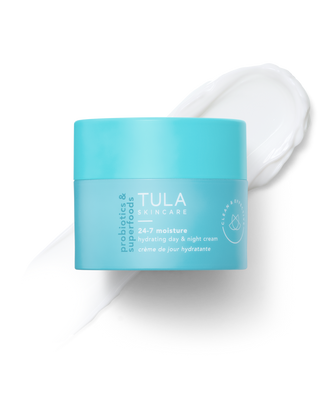
Moisturizer goes on next, while your skin is still damp. 24-7 Moisture is a good choice here. It’s formulated with prebiotics & hyaluronic acid to hydrate for 24-hours, nourish your skin's microbiome and strengthen the skin barrier.
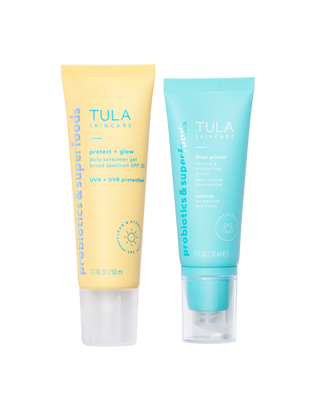
Then sunscreen, and this isn’t something you can deal with later. UV exposure adds stress to skin that’s already struggling, which makes SPF part of barrier recovery rather than an optional extra. Broad-spectrum, SPF 30 or higher, applied as your last skincare step. Give it a minute to settle before makeup goes on top.
Your Evening Barrier Repair Routine
Cleanse, moisturize. Nothing else while your barrier is recovering.
If you’ve worn makeup or a high-SPF sunscreen, a gentle second cleanse is reasonable. What isn’t reasonable is switching to a harsher formula to get it all off. Two passes with something non-stripping, like our Cult Classic, does the job better than one pass with something harsh. A gentle cleanser’s job is to cleanse to purify your skin’s microbiome and wash away the day’s dirt, makeup, and buildup, not to strip your barrier bare.
Your skin should feel comfortable after cleansing. Not squeaky, not tight. If it feels tight, your cleanser is the problem, and no amount of moisturizer afterward will fully undo that.
At night you can go richer if you want to. Skin that feels tight by morning usually wants a heavier cream after dark. Our 24-7 Moisture Intense is formulated with prebiotics and hydrates to repair the look of dry skin while helping strengthen the skin’s surface barrier. It’s clinically proven to strengthen the skin barrier after just one use,* leaving skin feeling soft, soothed, and glowy.
*Instrumental test on 31 subjects after 1 use.
Barrier Repair Ingredients to Look For
Ingredient lists are a lot easier to navigate once you group them by what they actually do. Then you can swap within a group instead of hunting for one specific name.
There are three jobs here:
Humectants like glycerin and hyaluronic acid pull water in: think
Emollients like squalane and fatty acids soften and smooth
Occlusives (like dimethicone and some plant oils) help seal moisture in. A moisturizer that covers all three will serve you a lot better than one that does a single job brilliantly.
Ceramides for skin barrier support are also worth looking for. Your skin’s outer layer relies on ceramides working alongside other lipids to stay balanced, which is why they turn up in so many barrier repair ingredients lists.
Niacinamide, panthenol, and colloidal oatmeal come up constantly in barrier conversations, and for good reason: they’re gentle, well tolerated, and popular choices for soothing formulas. Look for them if your skin wants extra comfort while it recovers.
Prebiotics are where we add extra support. Our formulas are formulated with prebiotics to help support your skin’s microbiome, because a balanced microbiome is part of what helps your skin achieve a healthy-looking glow, barrier repair included. Explore our full range of prebiotic skincare to see what we mean.
Not sure which formula fits your skin? Our Moisturizer Match Quiz can help narrow it down.
How Long a Skin Barrier Repair Routine Takes to Work
Ask “how long does it take to repair the skin barrier” and you’ll get answers ranging from ten days to six months. Both can be true. Neither is very useful on its own, so here’s why the range is so wide.
Recovery time tracks the damage, not the calendar. One rough weekend with a new acid is a different problem from eight months of daily exfoliating. How long the disruption ran, how severe it got, your skin type, and your age all factor in. Skin cell turnover slows as you get older, so the same misstep takes longer to settle down at 45 than at 25.
Mild disruption often feels noticeably better within one to two weeks. More established disruption commonly takes several weeks of consistent care, sometimes longer.
More useful than a date is knowing what progress actually looks like. Products stop stinging. Your skin stops feeling tight after cleansing. Moisture lasts longer between applications, so you’re not reaching for more cream by lunchtime. Those show up before your skin looks visibly different, and they’re the real signal to watch for.
If your skin is cracking, bleeding, persistently painful, or simply not improving after several weeks of doing everything right, it’s worth seeing a board-certified dermatologist.
How to Reintroduce Actives Without Starting Over
Reintroducing actives after barrier damage starts with a simple readiness test. Your skin should feel neutral: no stinging on application, no tightness after cleansing, no flushing you can’t explain. Not “mostly fine.” Neutral.
Then ease back in. One product at a time. Lowest strength available. Once or twice a week to start. Hold there for at least two weeks before you increase anything, and don’t add a second active until the first one feels comfortably established. Patch testing is worth the twenty seconds it takes.
Which active to bring back first depends on your skin rather than a universal rule. Tolerance varies enough that anyone telling you to always start with one specific ingredient is guessing.
Three things stay put permanently: your cleanser, your moisturizer and your sunscreen. The barrier routine doesn’t end when your actives return. It becomes the foundation they sit on top of, which is the whole reason reintroduction works at all.
If something flares up, you haven’t undone your progress. Drop back a level, hold there, and go again.
Common Barrier Repair Routine Mistakes
Adding instead of subtracting. Buying a barrier cream and layering it on top of an unchanged routine is the most common move there is, and it rarely works. The acids are still there. So is the problem.
Switching products constantly. Three weeks in, nothing huge has happened, so you try something else. Now you’ve reset the clock on knowing what works. Give a routine several weeks of stability before you judge it.
Skipping moisturizer because you’re breaking out. Understandable, but it usually prolongs things. A compromised barrier often produces more oil, not less. Go for a lighter, non-greasy and non-comedogenic formula.
Overcorrecting the other way. Slugging and heavy occlusives have their place, but piling them onto congestion-prone skin trades one problem for another.
Frequently Asked Questions
Can you repair your skin barrier overnight?
No. Skin can feel considerably more comfortable after one night of gentle care, which is worth something on its own, but the lipid layer rebuilds over days to weeks rather than hours. What you’re feeling the next morning is surface hydration, not a fully restored barrier. Comfort arrives first, recovery follows.
Should you use a serum during a barrier repair routine?
A simple hydrating serum is optional and generally fine to keep. Treatment serums with actives are best paused for now. The question worth asking of any serum is whether it adds water and comfort, or adds something your skin has to tolerate. Hydration is welcome during recovery. Active ingredients can wait until your skin feels neutral.
Can a damaged skin barrier cause breakouts?
Yes. Disrupted skin is more reactive and more prone to congestion, which is why breakouts often show up alongside dryness and tightness at the same time. Skipping moisturizer to control them usually makes the underlying disruption worse, since a compromised barrier can produce more oil, not less. Choose a non-comedogenic formula instead of skipping the step.
Do you still need SPF while your skin barrier is recovering?
Yes, daily broad-spectrum SPF stays in the routine throughout. UV adds stress to skin that’s already compromised. If sunscreen is stinging, dermatologists suggest looking for formulas labeled for sensitive skin and avoiding fragrance.
Next Steps: Simplifying Your Skincare Routine
A skin barrier repair routine is short by design, which makes choosing the two or three products in it matter more than usual. This is also the moment when guessing costs you the most.
If you’re not sure which cleanser and moisturizer pairing suits your skin type and how reactive things are right now, our skin quiz will narrow it down in a couple of minutes. If you’d rather browse on your own, Dryness & Barrier Boost is where our gentlest, most hydrating formulas live.
Either way: fewer products, chosen well, used consistently.


