




Yes, it can play a role, even though a cleanser doesn't cause acne all on its own. Usually it comes down to one of three things: a formula that's too harsh and disrupts your skin barrier, a formula that's too rich (or doesn't get rinsed off properly), or one ingredient your skin just doesn't get along with, like fragrance.
How you wash matters too. Washing too often or scrubbing can irritate skin and make breakouts worse. So if you've noticed your cleanser breaking you out, or a face wash breaking you out in spots you don't usually see, you're not imagining it. And no, it's probably not purging.
Below, we'll walk through the signs to look for, how to tell whether your cleanser is really the culprit, and how to find a gentle cleanser for acne-prone skin that actually works with you instead of against you.
How a Cleanser Can Contribute to Breakouts
Breakouts start when oil (sebum), dead skin cells and bacteria clog your pores. Acne has plenty of drivers, hormones and stress included, so your cleanser is usually one piece of the puzzle rather than the whole story. But it's a bigger piece than most people think. Research links acne with changes in skin barrier function, which is exactly why the way you cleanse matters. Here are four ways harsh cleanser breakouts tend to show up.
Harsh Surfactants, High pH and a Stripped Skin Barrier
Surfactants are the ingredients that do the actual cleaning. They lift oil, dirt and makeup so water can rinse them away. The catch is that some surfactants interact strongly with the proteins and lipids in your skin's outer layer (the stratum corneum). Harsh surfactants can leave your skin tight, dry, irritated and even itchy, and very alkaline cleansers (around pH 10) are tougher on skin than formulas closer to its naturally acidic pH of about 5.5.
That squeaky-clean feeling isn't proof your cleanser is working. It's often a sign your barrier took a hit. And a stressed barrier doesn't stay quiet. A face wash that's too harsh can irritate skin and trigger increased oil production, which is the last thing breakout-prone skin needs.
Rich Formulas and Leftover Residue
A cleanser can also cause trouble by leaving something behind. A formula that's richer than your skin type needs, or one that isn't rinsed off thoroughly, can sit on skin longer than it should, which can cause irritation later down the line. It's also worth watching for pore-clogging ingredients in a cleanser that isn't labeled noncomedogenic, since those can linger along with everything else.
That doesn't make thicker or cream cleansers the enemy. Plenty of people, especially those with dry skin, do beautifully with them. The goal is matching texture to your skin, then rinsing well. If your skin is oily or breakout-prone, look for products that are oil-free and noncomedogenic, meaning they're formulated not to clog pores. The Rich Rinse is a good example of getting this balance right: it's a cream-to-foam cleanser suitable for all skin types, and especially beneficial for dry skin, formulated to cleanse without leaving skin feeling dry or stripped rather than sitting heavy on the surface.
Fragrance, Preservatives and Ingredient Sensitivities
Sometimes it isn't the cleanser's strength but a single ingredient your skin doesn't tolerate. Some people react to the fragrances, preservatives or dyes used in cleansers, which can show up as redness and itching. That's an individual sensitivity, not a sign the ingredient is bad for everyone.
It still matters for breakouts, though, because anytime you irritate your skin, you risk getting more acne. If you suspect fragrance is the issue, a fragrance-free formula is an easy swap. It's one reason we make The Cult Classic in both a Classic and a Fragrance Free version, so you can keep the cleanser you love without the scent.
When an Acne Cleanser Is Too Much for Your Skin
Acne cleansers with salicylic acid help a lot of people. But acne-fighting ingredients can also dry your skin out, especially if your skin is already dry or sensitive, or you're layering several treatments at once. It's tempting to keep going until your face feels dry, but dry skin is irritated skin, and irritation can mean more breakouts.
The fix usually isn't giving up on acne care. It's using products as directed, cutting back on how many actives you're stacking, and reaching for cleansers and treatments made for breakout-prone skin that fit into a simple routine.
Signs Your Cleanser Might Be the Problem
Not every breakout is your cleanser's fault, so it helps to know what to look for before you swap anything out. These clues point toward your cleanser rather than hormones, stress or another product:
Your skin feels tight or dry right after washing. After-wash tightness and dryness are classic signs of a harsh surfactant.
It stings, burns or itches while you cleanse. A gentle cleanser for acne-prone skin shouldn't hurt.
Skin looks oilier than usual soon after cleansing. That can be your skin overcorrecting after being stripped.
You're breaking out in new places. Breakouts from irritation or clogged pores can show up in new or random spots, rather than just where you usually get them.
Timing is a big clue too. If your face wash started breaking you out soon after you switched, the cleanser is the first thing worth a second look.
That said, don't blame it by default. Hormonal breakouts, which often show up along the jawline, follow their own pattern, and stress can play a part as well. If you're unsure what's actually behind your breakouts, a board-certified dermatologist can help you work it out.
Purging or Breakout? Why Cleansers Rarely Cause a True Purge
If you've read up on why a new product might be breaking you out, you've probably come across "purging." Purging happens when an active ingredient speeds up skin cell turnover, which brings clogs that were already forming (microcomedones) to the surface faster. Ingredients like retinoids, AHAs, BHAs and some types of vitamin C can trigger it. Purging tends to show up where you usually break out, and settle within about 4 to 6 weeks.
But, is purging from a cleanser actually a thing? Rarely. Most everyday cleansers don't contain the cell-turnover ingredients linked to purging, so if you're breaking out in new areas after switching, irritation or congestion is the more likely explanation. The exception is a cleanser with an exfoliating acid such as salicylic acid (a BHA), where a short adjustment period is possible. Keep It Clear, our 2% salicylic acid cleanser, falls into that category, so it's worth giving it a little time to settle in.
Purging |
Breakout |
|
Trigger |
Ingredients that speed up cell turnover |
Irritation, clogged pores, hormones or stress |
Location |
Where you usually break out |
Anywhere, including new spots |
Timing |
Usually settles in about 4 to 6 weeks |
Varies, and may continue if the cause isn't addressed |
Either way, don't push through discomfort. If breakouts last longer than about 6 weeks, or you notice burning, redness or intense itching, stop using the product and check in with a dermatologist.
How Your Cleansing Habits Can Play a Role
Over-cleansing and acne go hand in hand more often than people think. Sometimes the cleanser is fine, and it's the routine around it that needs a tweak. Even a gentle formula can irritate skin if you use it too often or too roughly.
Start with frequency. Washing your face throughout the day can irritate your skin and lead to more breakouts. Twice a day is enough, once when you wake up and once before bed, plus after anything that makes you sweat. Over-cleansing strips your skin without making it any cleaner; it just leaves it more reactive.
Then look at technique. Wet your face with lukewarm water and apply cleanser with your fingertips, since washcloths and mesh sponges can irritate your skin. Skip the scrubbing, rinse thoroughly, and pat dry with a clean, soft towel. Friction counts outside the sink too, so pat sweat away after a workout rather than rubbing it in.
Balance works both ways, though. Under-cleansing can leave skin congested, and even noncomedogenic makeup can cause breakouts if you sleep in it. The aim is washing smarter, not simply washing less.
How to Choose a Cleanser for Breakout-Prone Skin
The best gentle cleanser for acne-prone skin removes oil, dirt and makeup and leaves your skin feeling comfortable, never tight. A few label cues make that easier to find:
Gentle and noncomedogenic. For oily skin, avoid oil-based or alcohol-based cleansers.
Close to your skin's own pH. The skin's optimal pH sits between 4.7 and 5.75, and cleansers should fall in that range, while traditional soaps (around pH 10 to 11) are best avoided.
Fragrance-free if your skin is sensitive, or if you suspect a fragrance reaction.
Texture comes down to your skin type. Gel and foaming cleansers often suit oily and combination skin, while richer cream cleansers tend to feel more comfortable on dry skin. If your skin is acne-prone and tolerates it, a salicylic acid cleanser is worth a look too.
At TULA, our gentle facial cleansers for every skin type are formulated around that same idea: clean skin shouldn't mean stripped skin.
The Cult Classic, our #1 cleanser, is formulated with prebiotics and antioxidants and removes dirt, impurities and makeup without stripping or overdrying. Prebiotics are ingredients that support your skin's natural ecosystem and help create an environment where your skin can look and feel its best, which is part of why this formula gets you clean without the tight, stripped feeling. It's recommended for acne-prone, balanced, combination, dry, mature and oily skin types, which is a pretty good sign it plays nicely with most people's skin. If your skin runs dry, The Rich Rinse is suitable for all skin types, and especially beneficial for dry skin.
For breakout-prone skin that wants an acne cleanser, Keep It Clear treats and prevents acne with the highest percentage of salicylic acid available without a prescription, and it's formulated without drying alcohols. In a consumer study, 87% agreed the cleanser helps minimize the severity of breakouts (self-assessment on 33 subjects during 4 weeks). If you want your cleanser, treatment and moisturizer working as a team, the Acne Clearing Routine bundles them together.
What to Do If You Think Your Cleanser Is Causing Breakouts
If the signs point to your cleanser, here's a calm way to find out for sure:
Pause the suspect. Stop using the cleanser you think is causing trouble.
Switch to something simple. Use a gentle, noncomedogenic cleanser in its place.
Keep everything else the same. Changing one thing at a time is the only way to see what's actually making a difference.
Patch test before you commit. Try any new cleanser on a small area first, and introduce new products one at a time.
Give it time. Use an acne product for 6 to 8 weeks before judging it. Switching treatments every week or so can itself irritate skin.
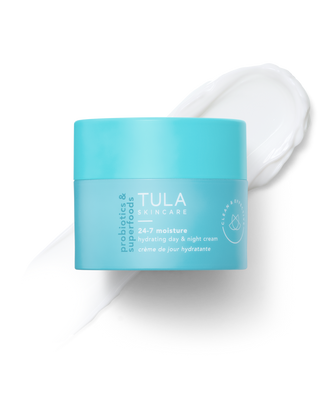
Support your barrier. Follow cleansing with a moisturizer. Our 24-7 Moisture, formulated with prebiotics, hydrates to strengthen the skin barrier, and our full skincare for dryness and barrier support is a good place to start.
And if your breakouts are deep, painful, persistent or spreading, see a board-certified dermatologist. Some acne needs prescription-strength treatment, and there's no reason to keep guessing on your own. A dermatologist can look at your whole routine and help you find what works.
Frequently Asked Questions
Can a face wash cause acne, or is it usually something else?
A face wash rarely causes acne all on its own, but it can absolutely contribute to it. Harshness, leftover residue, or an ingredient your skin doesn't tolerate are the usual suspects, alongside habits like over-washing. Hormones, stress and other products are often part of the picture too, so it's worth looking at your whole routine, not just the cleanser.
Why does my cleanser keep breaking me out?
Usually it's one of these: the formula is too harsh for your skin barrier, it's too rich or not rinsing off fully, or there's a single ingredient (fragrance is a common one) your skin doesn't tolerate. If a face wash is breaking you out in new spots rather than your usual trouble areas, that's a strong clue it's the product, not a purge.
Should I stop using my cleanser if I break out?
If the breakouts started soon after you began a new cleanser, especially in new areas or alongside stinging, pause it and go back to a simple routine. If you notice burning, redness or intense itching, stop using the product right away and speak with a dermatologist.
Is it better to wash my face with just water if I have acne-prone skin?
Usually not. It’s better to use a gentle, non-abrasive, alcohol-free cleanser twice a day and after sweating. A cleanser also helps you remove makeup properly, which matters, since even noncomedogenic makeup can cause acne if you sleep in it.
Can a cleanser cause breakouts on sensitive skin even if it's labeled gentle?
Yes. Sensitivities are individual, so a gentle formula can still contain an ingredient your skin doesn't tolerate, such as a fragrance or preservative. If you suspect a reaction, patch test new cleansers on a small area first and consider a fragrance-free option. If irritation continues, check in with a dermatologist.
Next Steps
The goal is simple: skin that feels clean and comfortable, never tight or stripped.
Browse our gentle facial cleansers for every skin type to find a formula that fits your skin, from a refreshing gel to a creamy cleanser for drier days.
Not sure where to start? Take our Skin Quiz and we'll help you build a routine around what your skin actually needs, starting with a cleanser that works with your skin instead of against it. No pressure, no guesswork. Just a clear place to begin your skin wellness journey.


